-
Featured
Adam Smith’s Three Steps to Prosperity
The Daily EconomySpecialization fuels economic development, but institutions matter. What constrains trade from producing more value? -
Podcast
The Social Security “Lockbox” Myth with Romina Boccia
Qualified OpinionsAs Social Security approaches its 90th anniversary, the program faces a looming identity crisis and a massive fiscal deadline. In this episode, host Veronique De Rugy sits down with Romina […] -
Featured
California’s Water Crisis Isn’t a Drought—It’s Bad Policy
The Daily EconomyDecades of subsidies, mispricing, and politically protected water allocations have left households paying the highest costs while agriculture wastes the most.
-
 The Daily EconomyAfter more than 100 pilots, the evidence shows that universal basic income does little to boost employment and risks unintended economic costs.
 -
The Daily EconomyDoes the Fed need 24,000 employees? A leaner, more automated institution could reduce costs and improve transparency.
-
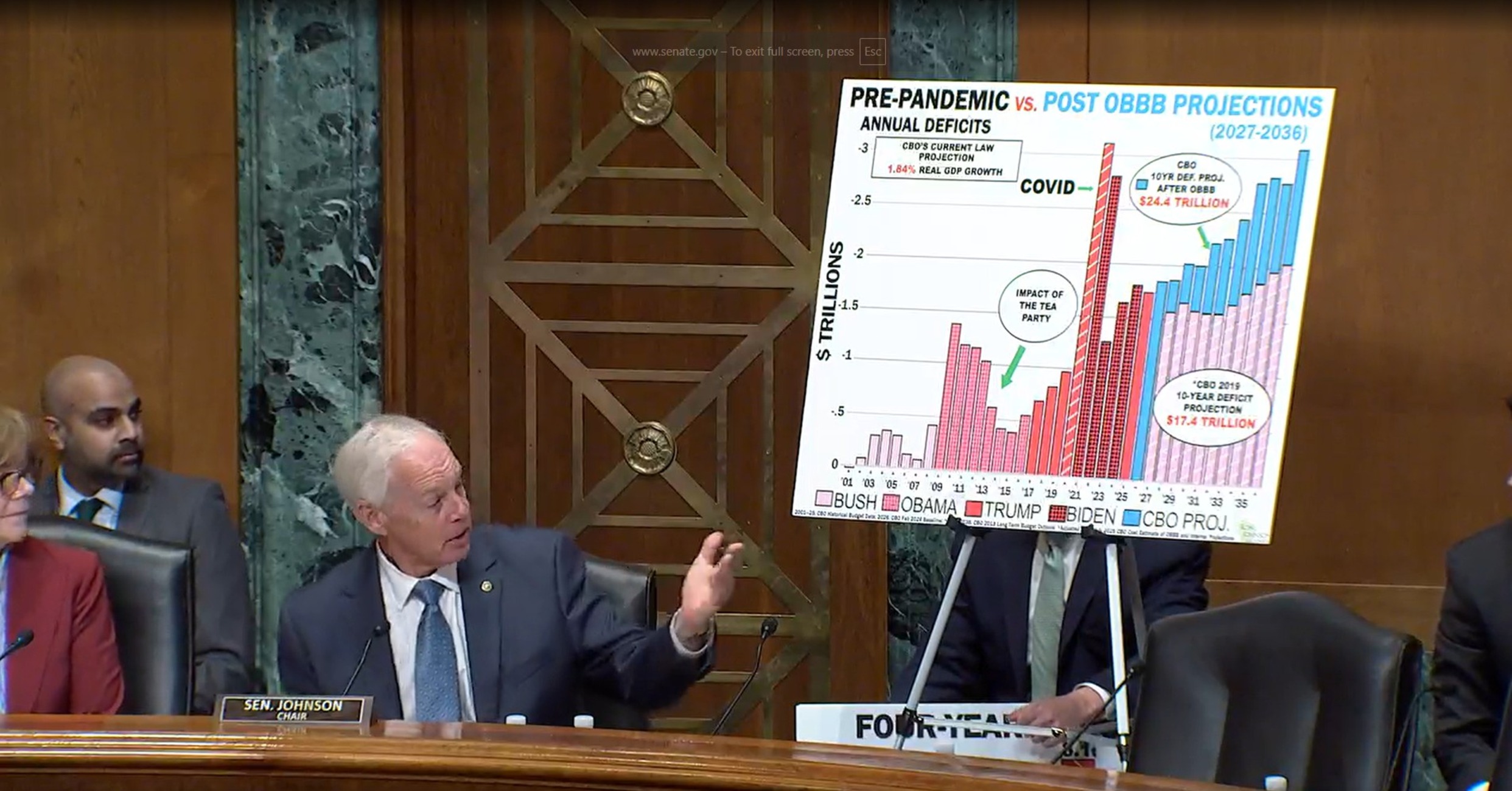
The Daily EconomyFiscal discipline is politically costly, but inaction will be disastrous. How can we restore sanity to federal budgeting?
-
The Daily EconomyCapital loaned out can’t be invested or consumed. Interest compensating the lender is merely “the price of time.”
-
The Daily EconomyBy regulating online speech and expanding digital ID systems, governments are turning the natural right to free expression into a licensed activity.
-
The Daily EconomyThough Saturday morning television is gone, the regulatory complex it spawned remains.






Trade, National Security, and American Prosperity Conference
April 1, 2026 | 8:00 am – Afternoon
The Mayflower Hotel
1127 Connecticut Ave NW, Washington, DC 20036
Trade policy and its relationship to national security is now one of the most contentious issues in American politics, Congress and the administration are debating the growing use of tariffs as a tool of national security, as well as the downstream consequences for both economic growth and American alliances. This conference is designed to provide a serious, nonpartisan forum to discuss and debate those issues as well as possible ways forward.
Student Programs
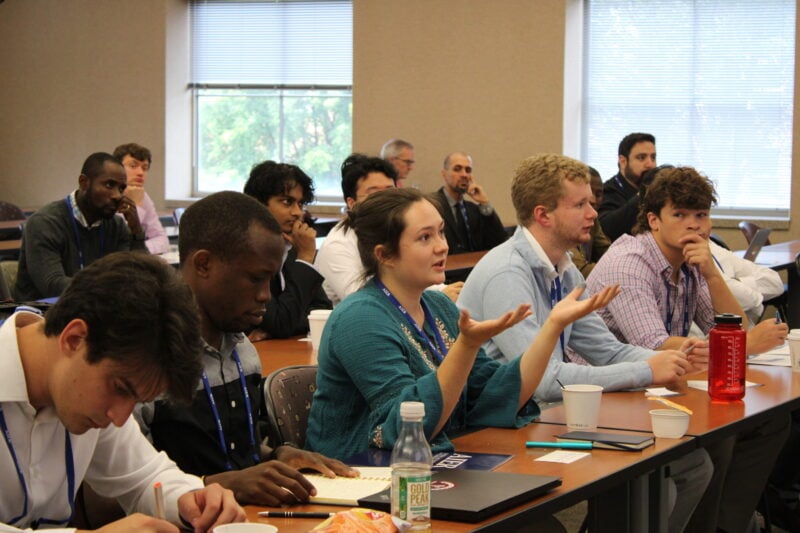
Each year, we host hundreds of students and scholars on our historic campus.
AIER’s Internships are unparalleled professional opportunities for students considering careers in economic research, academia, or the private sector. They provide college students and recent graduates the opportunity to work closely with staff on projects that align with both their interests and AIER’s mission. Whether it’s contributing to scholarly research, policy analysis, editorial writing, or working in other departments, our interns gain invaluable exposure.




Podcasts



Research



Latest Release
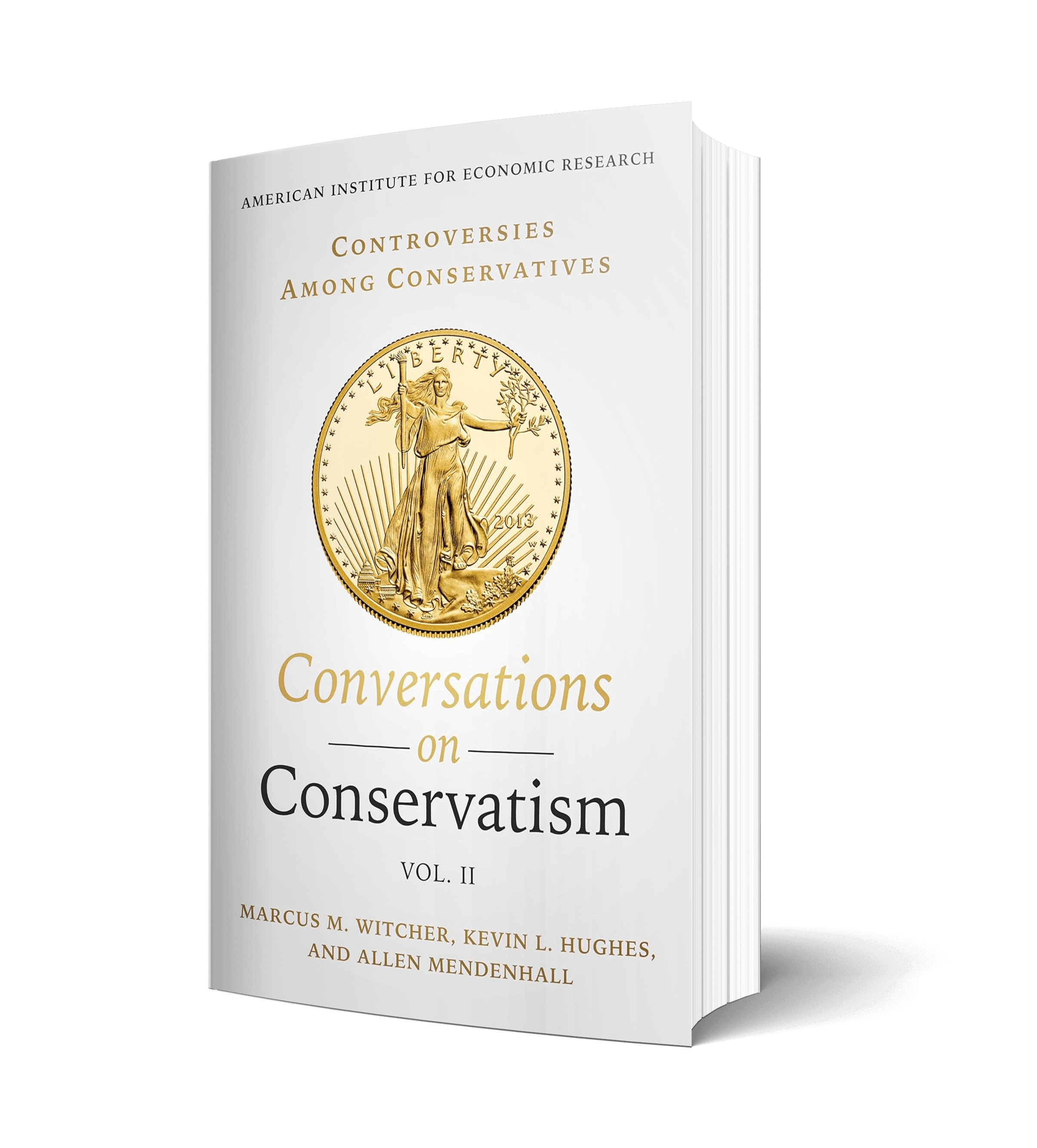
Exploring the full range of conservative thought through conversations and debate.
There has never been conformity or unanimity among conservatives. Conservatism contains many different factions and varieties of thought. The Philadelphia Society has always been dedicated to fostering conversation. This volume is published in that spirit.